
Repairs
Cooling system, water pump and thermostat
Repair of the cooling system — water pump, thermostat, radiator, hoses and coolant. We find leaks and prevent overheating before the engine is damaged.
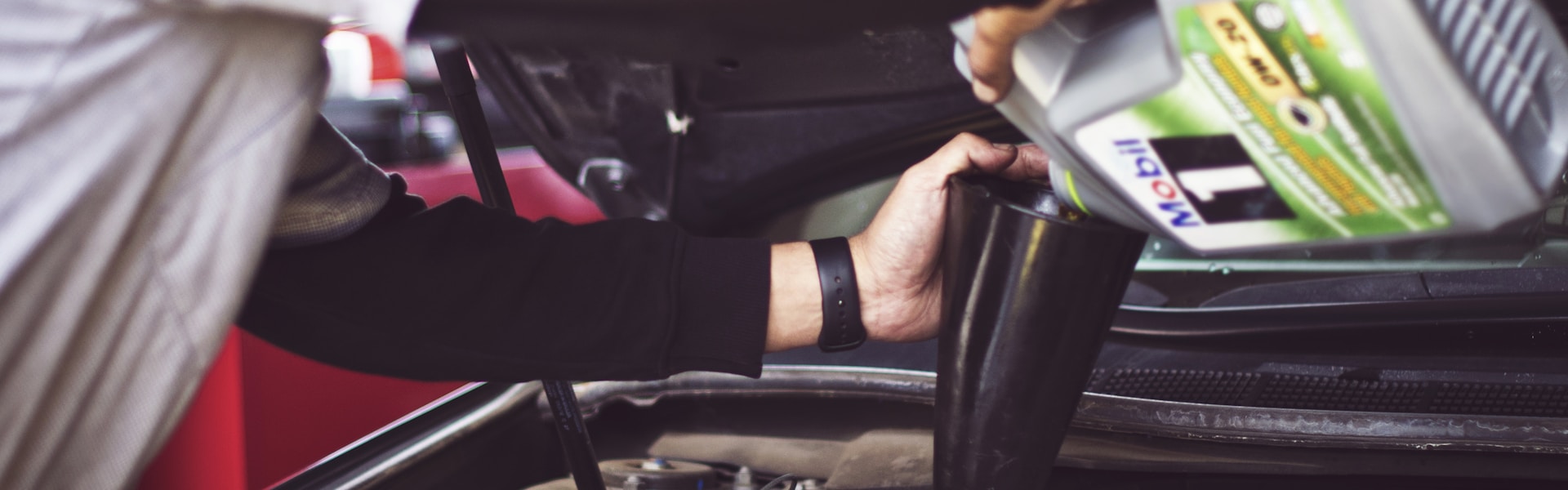
The cooling system — circulation that saves the engine
A modern cooling system keeps the engine at 85–105 °C — hot enough for efficient combustion, but not so hot that the metal fails. Components include the water pump (driven by the timing belt or a separate belt), thermostat (opens at the correct temperature), radiator (with fan), coolant (antifreeze/glycol mixture) and the hoses that tie everything together. If just one of the parts fails, you risk overheating — and an overheated engine is usually heading toward big repair costs. We diagnose and repair every part of the cooling system on all car brands.
Water pump — the heart of the cooling system
The water pump circulates coolant through the engine and radiator. On most cars it is driven by the timing belt, which means the water pump is naturally replaced together with the belt — that's smart because the labour is already being done. On some cars the pump is driven by a separate belt or directly from the engine. Symptoms of a failing water pump are coolant leaks under the car (typically green, yellow or pink fluid), noises from the pump (bell-like or squealing), or rising temperature when the pump no longer performs. A failing water pump destroys the engine quickly — so we always recommend replacement at the first sign.
Thermostat — the temperature regulator
The thermostat is a mechanical valve that opens when coolant reaches the right temperature (typically 87–95 °C) and lets fluid circulate through the radiator. If the thermostat sticks closed, coolant doesn't circulate — the engine overheats quickly. If it sticks open, the engine never gets warm enough — leading to higher fuel consumption and engine wear over time. A thermostat is an inexpensive part (NOK 300–800) but often requires 1–3 hours of labour to replace.
Overheating — what happens and why
When an engine overheats several things can happen: the cylinder head warps, the head gasket blows through, the cylinder walls lose their geometry, or in the worst case the engine block cracks. Repair costs start at NOK 15,000 for a head gasket and can climb to NOK 80,000 or more for a full engine overhaul. Stop the car immediately if the temperature gauge moves into the red or a warning light comes on — let the engine cool down before checking coolant level or calling us.
Coolant — correct type and change interval
Coolant consists of glycol (40–50%) mixed with distilled water. It lowers the freezing point (typically to −37 °C) and raises the boiling point (typically to 130 °C). Over time the additives degrade and the fluid loses its cooling and corrosion-protection ability. We recommend a coolant change every 3–5 years or per the manufacturer's schedule. Always use the correct type — modern cars require specific OAT or HOAT coolants that should not be mixed with older IAT-based fluids.
Book your repair online or call us on 41 17 32 24.
Frequently asked questions
How long does a water pump last?
What happens during overheating?
How often should coolant be changed?
Can I mix different types of coolant?
Ready for service or repair?
We help you quickly and professionally with all your vehicle needs.